
Committed to the human side of work.
Keeping learning alive.
Leadership development • Resilience • Coaching • Conflict resolution
We bring the human side to the difficult, awkward, challenging and uncomfortable aspects of the workplace. Customised programs in resilience, time management, emotional intelligence, leadership coaching, DISC profiling and Lumina Spark.
Any of these sound familiar?
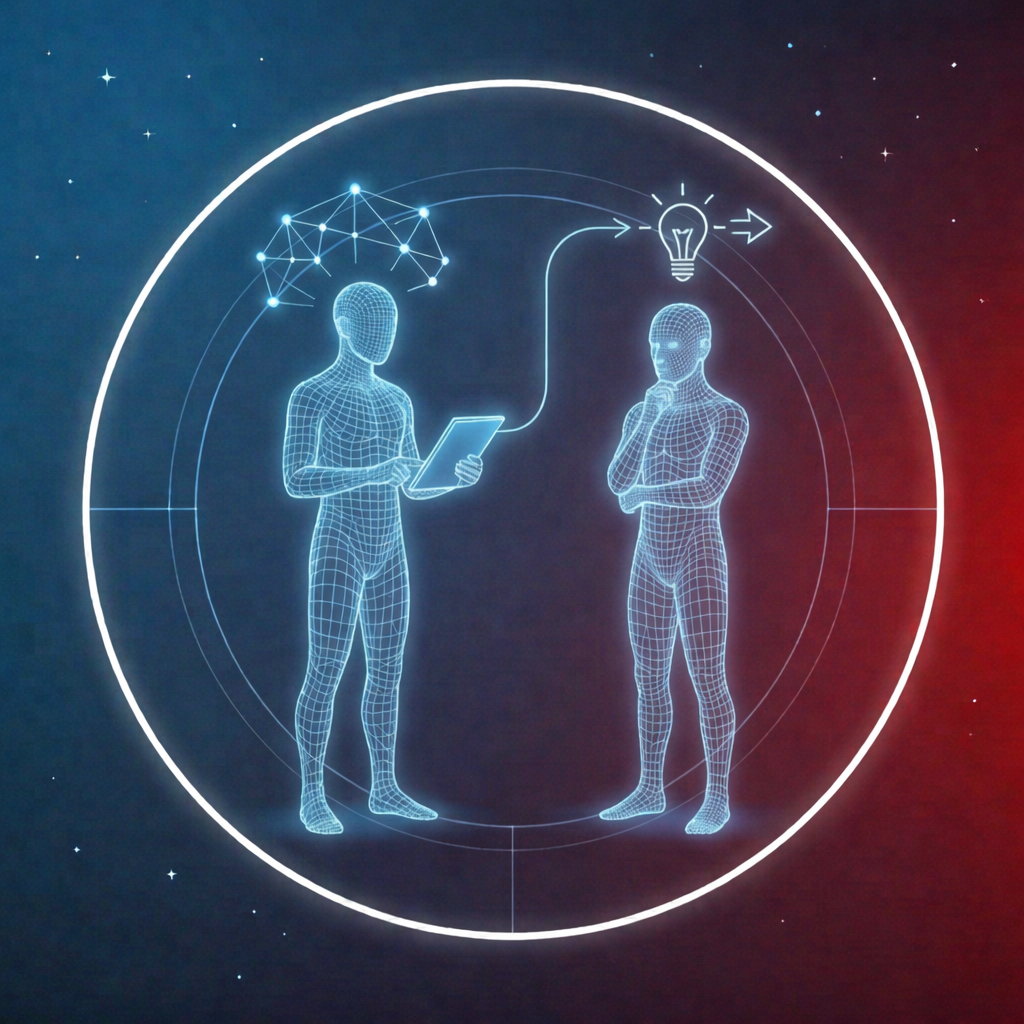
When it’s all on you
“I know things need to change, I just can’t seem to shift it.”
You’re carrying a lot. Expectations, pressure, competing priorities and performance management. You’re busy, yet still feel behind. You second-guess decisions, avoid the harder conversations, and your own development keeps slipping down the list.
Our coaching helps you get clear, steady and back in control…fast. Not more to-do lists. Proven tools and strategies to shift how you think, prioritise and show up, so you can lead with confidence instead of running on empty.
When things feel tense
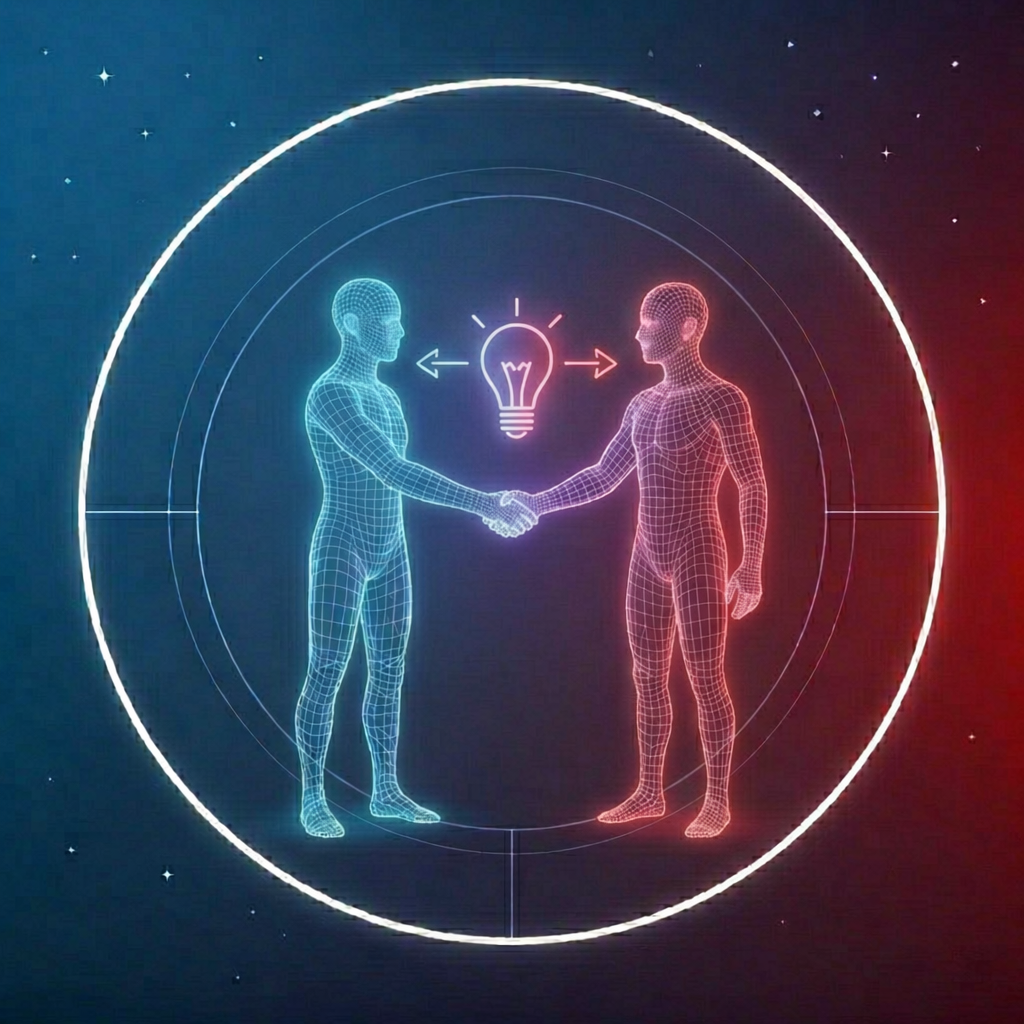
“Every conversation turns into either tension or silence.”
The energy is draining. Friction, frustration, things not being said. Conversations are avoided, or they blow up and go nowhere. Productivity slows, trust breaks down, and people start checking out.
We step in to guide the conversations that people don’t know how to have. We help people say what needs to be said, without making things worse, so teams can move forward instead of staying stuck.
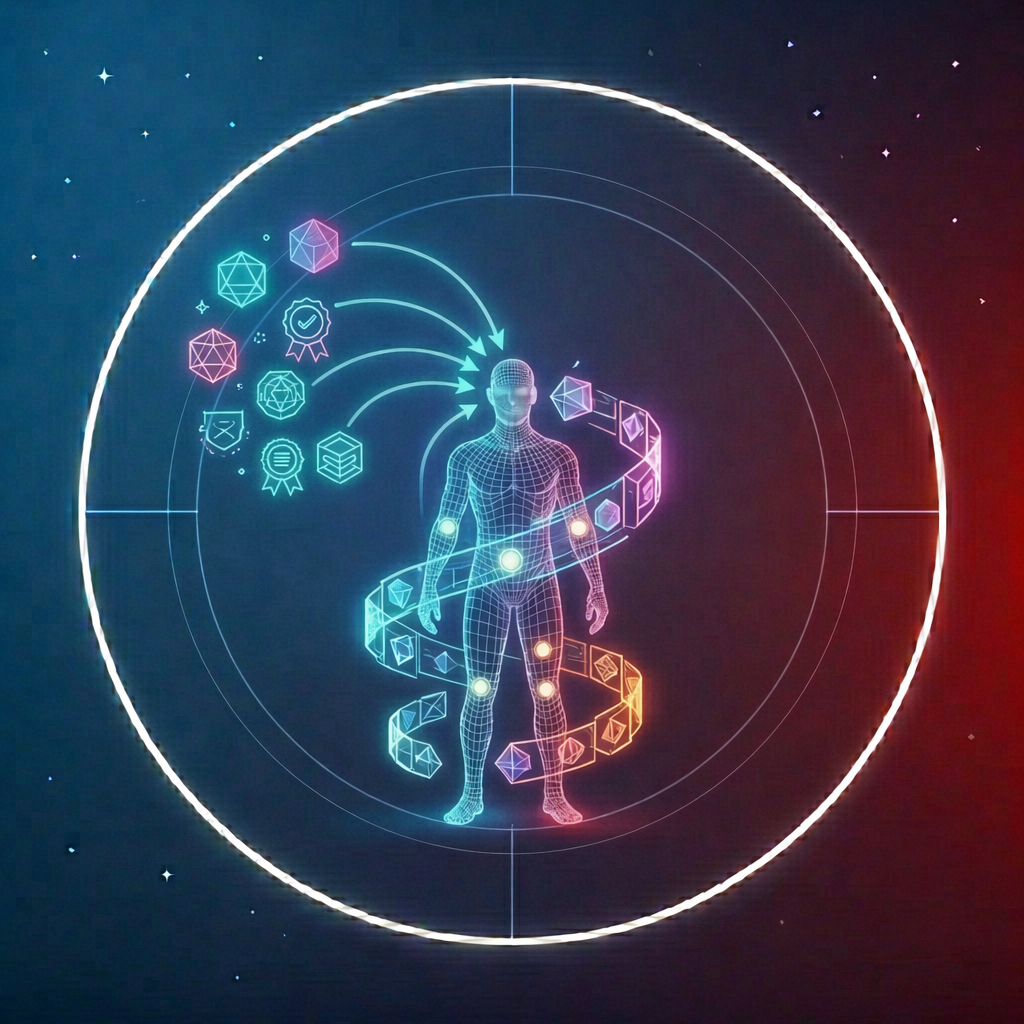
When capability isn’t keeping up
“Our team are under pressure and don’t have the tools to manage it.”
Your people are capable, but they’re figuring it out as they go. Leaders avoiding tough conversations. Teams unclear on expectations. Pressure building with no real tools to manage it.
Our programs build the human skills that actually make the difference. Communication, emotional regulation, leadership under pressure. Practical, real-world capability your people can use immediately, not theory that gets forgotten by next week.
Our Programs and Services
One-on-One Coaching
Personalised coaching to sharpen your leadership, master time with calm confidence and build your emotional resilience
Facilitated Workshop Training
Interactive, practical workshops that build resilient teams, effective communicators, and empowered leaders.
Mediation
Professional, accredited workplace mediation to resolve conflict and rebuild trust with dignity and direction.
Group Mastermind Programs
High-impact peer learning circles for driven professionals ready to grow, connect, and lead with clarity.
DISC Profiling & Lumina Spark
Evidence-based personality profiling for teams and individuals. Improve communication, build stronger relationships and unlock potential.

Why Trust Us?
WE KNOW
that the human side of work — empathy, trust, difficult conversations — changes lives and outcomes.
WE BELIEVE
everyone deserves to thrive and feel proud of their contribution at work.
OUR PURPOSE
is to enable courageous leadership and cultures. Committed to the human side of work. Keeping learning alive.
WE DELIVER
fresh ideas, practical skills and learning focused on real issues. Evidence-based tools shaped by lived, multicultural experience.
WE OFFER YOU CLARITY
— upfront and without obligation. In a free consultation, we help you understand what's driving your team's issues and whether we're a good fit.

Our Promise to You
Evidence-driven program design. You always know what results you're getting.
Methodologies based on research and lived, multicultural experience.
Experienced and accredited consultants, facilitators and coaches.
The best solution for delivering your desired learning outcomes.
You define what 'value' means. We deliver.
Open and honest communication. Our mantra is "clear is kind".
Dedicated support. We love to help you succeed.
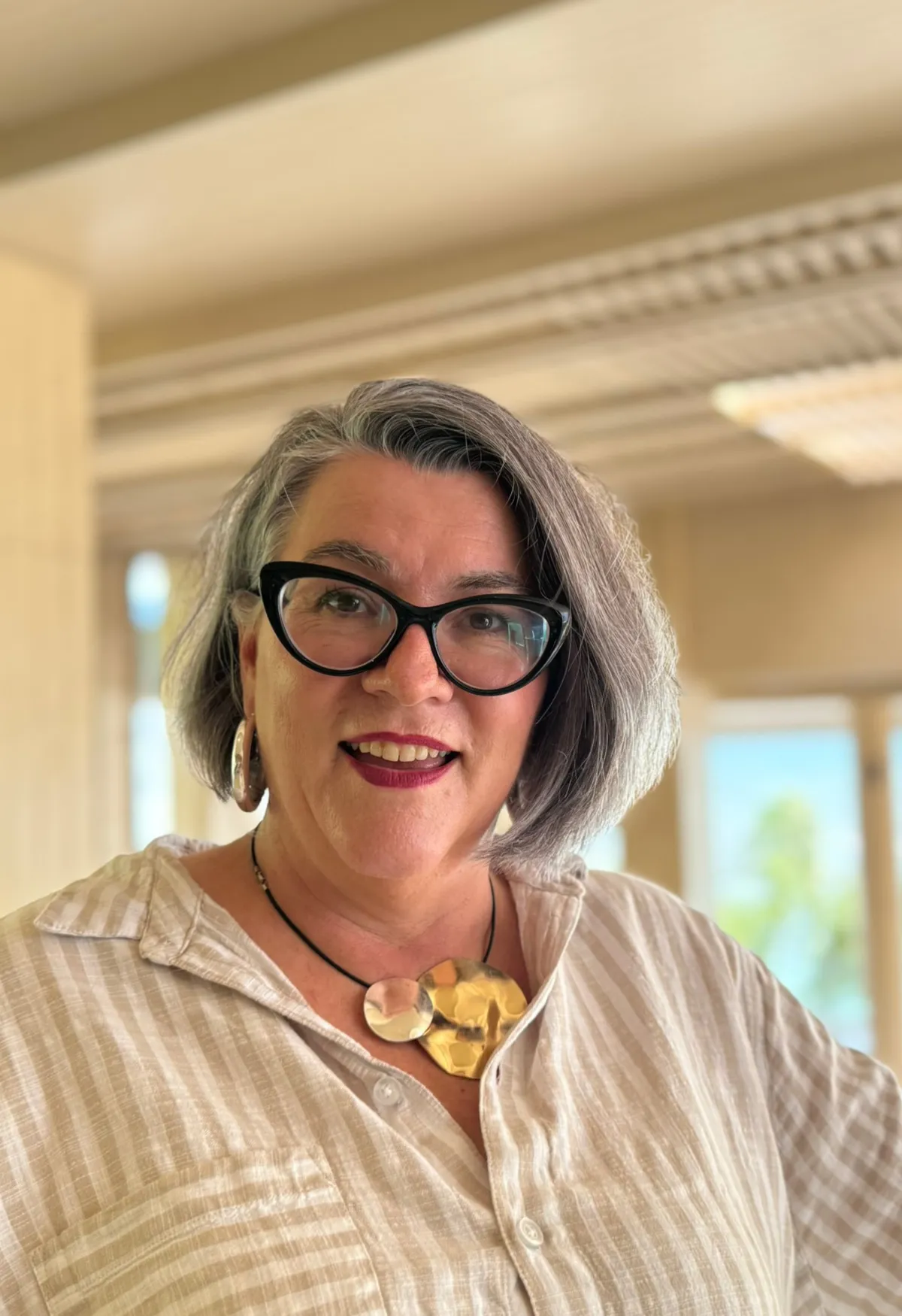
And we do it as our authentic selves. Unabashed. Experienced. Enthusiastic. Human.
Our Promise to You
Evidence-driven program design. You always know what results you're getting.
Methodologies based on research and lived, multicultural experience.
Experienced and accredited consultants, facilitators and coaches.
The best solution for delivering your desired learning outcomes.
You define what 'value' means. We deliver.
Open and honest communication. Our mantra is "clear is kind".
Dedicated support. We love to help you succeed.
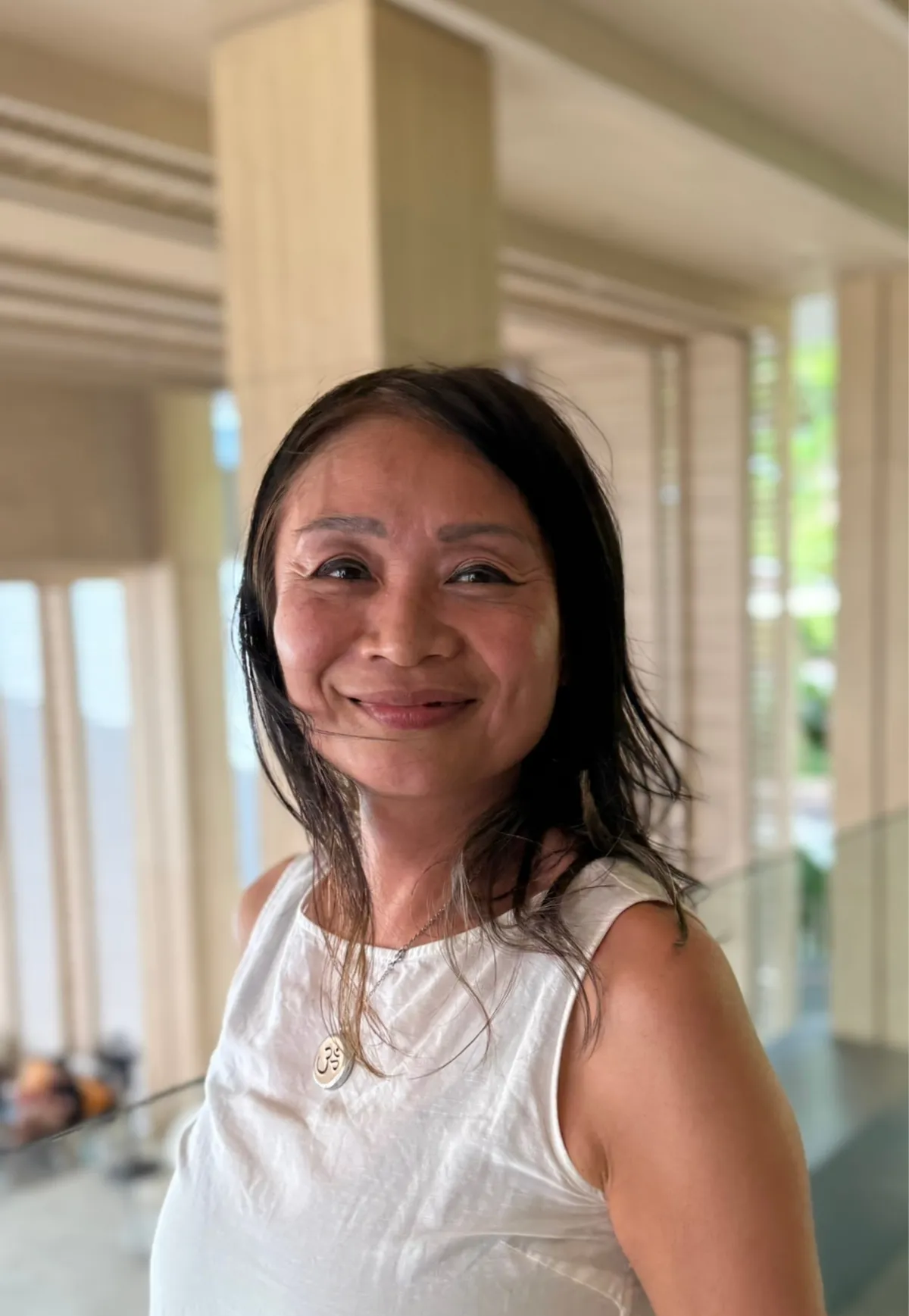
And we do it as our authentic selves. Unabashed. Experienced. Enthusiastic. Human.

Words of Praise

Some of Our Client Include


Insights & Resources
Articles, reports and tools to support your leadership and wellbeing journey.
Resources
Reports and Studies
Free downloads on mental health, imposter syndrome and resilience.
Events
Upcoming Events
Workshops, masterclasses and professional development events.
Podcast
Feel It, Own It, Skill It
The Human Side of Work — leadership, resilience, and real conversations.
Unlocking Leadership Potential
Talk to us about the results you need. We'll show you some options for getting there. And then together we'll deliver a program your people will love.
Contact
PO Box 509 Alice Springs, NT 0870 Australia


Legal
© 2026 The Hinwood Institute. All rights reserved.
Designed & Developed by True Blue