
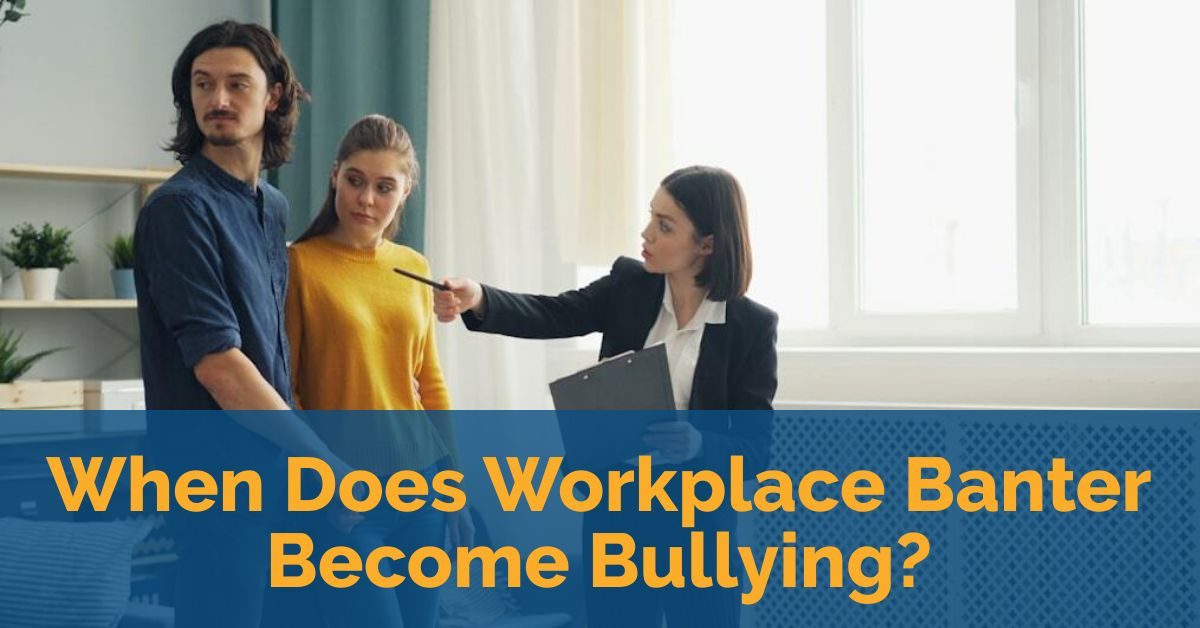
When Does Workplace Banter Become Bullying?
Sometimes that “harmless joke” in the workplace crosses a line.
Trust me. I’ve done a whole mediation that revolved around a joke that didn’t land.
It’s even worse when everyone awkwardly laughs it off.
Swearing, teasing, or “just joking” might feel normal in some workplaces, but the law sees it differently. When banter becomes targeted, repeated, or intimidating, it can cross the line into bullying or harassment. Even if it’s part of the culture, neither employees nor employers are protected from legal or reputational risk.
Can “Workplace Culture” Be Used as a Legal Defence?
Not really. Apparently, the Fair Work Commission (FWC) may consider workplace culture when assessing unfair dismissal however, it’s not a defence for bullying or harassment. Saying “everyone does it” won’t hold up if someone’s behaviour causes harm, especially with today’s stronger obligations to manage psychosocial risks.
- If one person is punished for something that’s common practice, dismissal could be deemed unfair.
How Do Power Imbalances Influence What’s Acceptable?
Context matters. A blunt comment from a peer may land differently coming from a boss. When swearing or jokes flow down the hierarchy, not across it, it can feel intimidating or coercive. Leaders carry extra responsibility to model respect and keep communication safe for everyone.
Example:
In a recent FWC case, a director’s aggressive language caused an employee to resign. Despite a culture of swearing, the behaviour was found “not appropriate or acceptable in any workplace.”
What About “Just Jokes” or “Friendly Banter”?
Intent doesn’t excuse the impact it may have. Even if a comment was “just a joke,” the test is how a reasonable person would perceive it, not what the speaker meant. When humour becomes personal, repetitive, or sexualised, it can qualify as bullying or harassment, regardless of intent or what might be ‘normal’ in the workplace.
Sexual harassment: is any conduct of a sexual nature that a reasonable person would find offensive, humiliating, or intimidating.
Bullying: is repeated, unreasonable behaviour that creates a risk to health and safety.
Just remember, if you’re feeling uncomfortable or your gut is telling you, this feels wrong, it probably is.
This is why, when you first have any instincts, to write down as much details as you can, dates, time, locations, witnesses, what was said, what was done.
What Can Employers Do to Prevent Problems?
Prevention starts with clarity. Employers must define what’s acceptable, train leaders to spot early warning signs, and treat all complaints seriously.
Policies, culture, and leadership alignment matter most, not slogans or posters. Dismissing behaviour as “banter” or “normal for the job” exposes organisations to legal and psychosocial risk.
Checklist for Employers:
|
Area |
Best Practice |
Why It Matters |
|
Policy |
Clearly define bullying, harassment, and examples of unacceptable “banter.” |
Reduces ambiguity and legal exposure. |
|
Training |
Regular, trauma-informed sessions for leaders and staff. |
Builds awareness and response skills. |
|
Complaints |
Transparent, confidential process with no retaliation. |
Builds trust and legal compliance. |
|
Leadership |
Model respectful behaviour and accountability. |
Culture flows from the top. |
Why Leadership Behaviour Sets the Tone
Policies exist on paper. Culture lives in behaviour. The most powerful way to prevent misconduct is through consistent leadership. When leaders laugh off inappropriate jokes, it signals acceptance. When they address them calmly and fairly, it reinforces safety and trust. Culture isn’t what’s written — it’s what’s tolerated.
Workplace banter isn’t harmless if it hurts someone or drives them out. “Culture” isn’t a shield, it’s a reflection of leadership choices.
Respect doesn’t mean you can’t have a sense of humour; Respect is about making everyone feel safe to contribute.
Check out our upcoming free MASTERCLASSES that focus on how to Feel Good at Work, how to work Better Together, Talk Smart (communication techniques), Mission Control (leadership techniques), Essential Human Skills, and how to Tame Your Time.
If you want to improve your behavioural skills and master the human side of work, book your free strategy session here.


Listen to Podcast Here:
About the Author
